
Surviving the Holidays as a Teen: Family Gatherings, Awkward Questions, and Finding Your Own Space
For teens, the holidays can feel like a season that happens to you — long gatherings, awkward questions, family tension, and zero control over the calendar. This article offers realistic ways to survive (and even enjoy) the season while staying yourself.
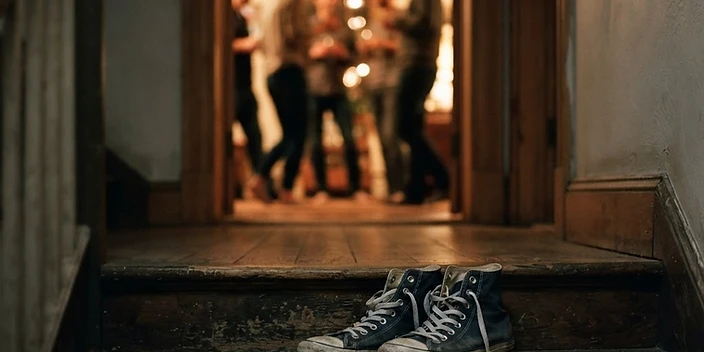
The invitation list has arrived: two dinners, a concert, a gift exchange, hours in a car, and a week of being asked about your grades, your weight, your future, and your phone use. As a teenager, the holidays can feel like a season that happens to you — loud, long, and full of adults with opinions about your life.
If December leaves you counting the days until school resumes, this article is for you.
What makes holidays hard at your age
- The schedule is not yours. Your sleep, your friends, your routines — all suspended while the family calendar takes over.
- Family tension is in the air. You notice the arguments, the awkward silences, the relatives nobody explains. Teens are often the most emotionally honest people in a room full of adults performing normal.
- The questions. "How's school?" "Do you have a girlfriend/boyfriend?" "What do you want to do with your life?" — asked by people you see twice a year, and answered under the gaze of your parents.
- You're changing faster than the family's picture of you. You may be exploring identity, faith, relationships, or politics that don't match the script your relatives remember.
None of this means you're ungrateful. You're allowed to love your family and find the holidays draining — both things can be true.
Making the season survivable (and even good)
- Know your exits and breaks. You don't need a dramatic escape — you need ten-minute resets: a walk around the block, helping in the kitchen (surprisingly effective), headphones and a corner of the house. Stepping away before you're overwhelmed is a skill, not a snub.
- Pick your battles. Not every comment deserves a response. A shrug and a subject change can protect a whole evening. Save your energy for the conversations that actually matter.
- Bring an ally. A cousin, a sibling, a friend on standby. One person who makes the gathering feel less like a performance makes all the difference.
- Negotiate before you arrive. You'll have more luck asking for what you need (a later curfew, a night off from a gathering, your own ride) before the plans are locked than during them.
- Be honest with your parents where you can. "I want to come, but I need a break after two hours" is a request most parents can hear — and it's better than the fight that comes from silently enduring and then exploding.
- Keep one thing that's yours. Your workouts, your playlist, your daily texts with your best friend. Don't let the season steamroll everything that keeps you steady.
When you'd rather not go at all
If home is genuinely hard — constant conflict, substance use, contempt, or a family that doesn't accept who you are — surviving the holidays is a different project:
- Shorten the exposure where you can. Volunteer shifts, a job, a friend's house on the hardest days.
- Have a person you can text from anywhere. A friend, a counselor, a hotline. You deserve backup.
- You are not required to earn love at gatherings by pretending to be someone you're not. If your family doesn't accept your identity, your values, or your choices — that reflects the limits of their understanding right now, not your worth.
When the heaviness is bigger than the holidays
Holidays can stir up what's been sitting underneath all semester: sadness that doesn't lift, anxiety that doesn't quiet, feeling numb, hating how you look, thoughts of hurting yourself. If that's you, tell one adult you trust — a parent, a school counselor, a therapist, a coach — or reach out to a crisis line. Not because you're broken, but because you shouldn't have to carry it alone.
A closing thought
You don't have to love the holidays, perform gratitude, or become the teen your relatives remember. Surviving the season honestly — taking breaks, picking your battles, keeping your people close — is enough. And if you can find even one tradition, one conversation, or one kitchen-table moment that's actually good? That's a win.