
Holiday Stress for College Students: Finals, Family, and Making It to the Break
Finals, finances, family, and a season demanding constant cheer — December on campus stacks every stressor at once. This article offers college students realistic ways to survive the end of the semester without losing themselves, and how to spot when stress becomes something more.
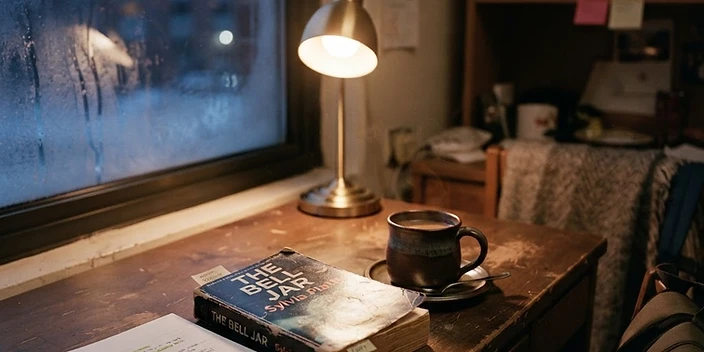
The stretch between Thanksgiving and New Year's is, for many college students, the most exhausting weeks of the semester — finals, papers, and projects stacked right on top of the season that demands you be joyful, grateful, and available.
If you're running on caffeine and countdowns right now, here's what you need to hear first: the stress you feel is not a personal failing. You are attempting a hard thing — finishing a semester inside a pressure cooker that nobody designed for calm.
What's actually on your plate
Take inventory, honestly:
- Academic load. Finals compressed into days, grades that feel like verdicts on your worth, and a GPA you've been told decides your future.
- Financial pressure. Tuition worries, work hours, and a holiday season that runs on spending.
- Family expectations. Travel, gathering attendance, and returning to a household where you may feel younger, unseen, or on edge.
- Social comparison. Everyone's feeds show Hallmark versions of finals week and family — nobody posts the 2 a.m. library breakdown.
- Pre-existing mental health strain. Anxiety, depression, ADHD, and disordered eating all amplify under exactly these conditions.
The students who look like they're cruising usually aren't. You're not behind the pack — the pack is better at hiding it.
Protecting your mind during the crush
- Treat sleep as study time. All-nighters feel like commitment, but they trade tomorrow's recall for tonight's illusion of progress. A tired brain can't retrieve what it learned.
- Use the boring schedule. Fixed wake time, one planned break per day, food that isn't vending machine. Boring is what steadiness looks like.
- Lower the stakes out loud. One exam is one exam. Say it to yourself the way you'd say it to a friend — because the friend version is the accurate one.
- Move, daily, even badly. A fifteen-minute walk between study blocks does more for focus than another hour of scrolling.
- Say no on purpose. Every event, shift, and gathering you decline in December buys you the capacity to finish — and to actually enjoy the break you've earned.
- Keep one real person close. A study buddy, a roommate, a group chat that's honest instead of performative. Isolation is what turns stress into crisis.
Know the warning signs
Holiday-season stress can slide into something that needs real care. Reach out for help — campus counseling, a professor, a parent, a hotline — if you notice:
- Persistent sadness, hopelessness, or numbness that doesn't lift between deadlines
- Panic that interferes with studying, sleeping, or leaving your room
- Using alcohol, substances, or food to cope
- Thoughts of harming yourself or feeling like a burden
Campus counseling centers exist for exactly this season, and using them is ordinary — the same as using the writing center for a paper. If the wait is long, ask about group options, drop-in hours, or a counselor's cancellation list.
When you go home
The break is rest, but it can also be its own stressor — old family roles, a bedroom that doesn't fit anymore, parents monitoring your comings and goings. Give yourself the first few days with no agenda. And carry one anchor of college life back home with you — a routine, a friend on call — so the person you've become doesn't get lost at the door.
A closing thought
You are not your GPA. You are not your finals week. December is one hard month inside a long life, and the goal is not to crush it — it's to get through it intact, so you can actually rest. Do the next small thing, sleep when you can, and let someone in on how you're doing. That's not weakness. That's how people finish.