
Helping Children and Teens Navigate Holiday Stress and Big Feelings
The magic of the season often lands on kids as overload — disrupted routines, overstimulation, and family tension in the air. This article helps parents recognize holiday stress by age and offers practical, compassionate ways to help children and teens navigate big feelings.
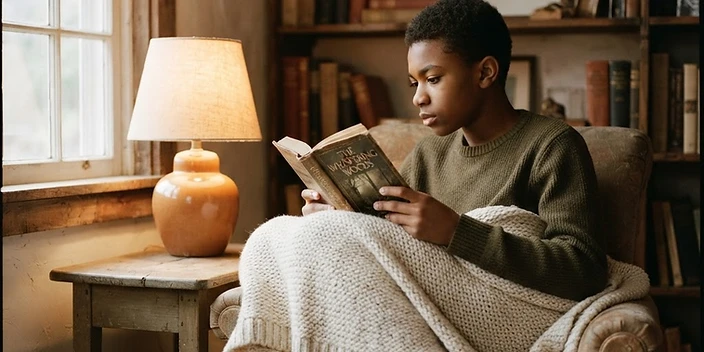
Adults often describe the holidays as stressful. Children and teenagers show it — in behavior, in meltdowns, in withdrawal — long before they can name it. The season that looks magical from the outside is, for many young people, a hurricane of disrupted routines, amplified emotions, family tension, and unspoken expectations.
The best gift a parent can give a child this season isn't calm children. It's the skills and safety to move through big feelings — at the holidays and for the rest of their lives.
What actually stresses kids at the holidays
- Disrupted routines. Sleep, meals, school structure — the scaffolding that regulates young nervous systems gets dismantled for weeks.
- Overstimulation. Lights, music, crowds, later nights, sugar — an excess of everything, especially for sensitive kids and those with sensory or attention challenges.
- Family tension in the air. Children are emotional barometers. They feel the strained marriage, the tense in-law dynamic, the financial worry — even when no one says a word.
- Changed family circumstances. First holidays after divorce, loss, a move, or a deployment carry real grief alongside the glitter.
- Social comparison and pressure. For teens especially, gift culture, appearance at gatherings, and "who has a date, a friend group, a perfect family" season can sting.
How stress shows up by age
- Young children: meltdowns that seem out of proportion, clinginess, sleep regression, tummy aches, resistance to transitions.
- School-age kids: irritability, defiance, complaints of boredom or physical complaints, trouble at bedtime.
- Teens: withdrawal to their room, sharpness, apathy about traditions they used to love, phone-as-escape, sleep flips.
None of this is a child being bad. It's a nervous system overloaded and asking for help.
What parents can actually do
- Protect the anchors. Keep wake time, one real meal together, and bedtime as steady as possible, even mid-season. Routine is regulation.
- Say the plan out loud — repeatedly. "Today we go to Grandma's at 3, we leave by 7." Predictability lowers anxiety in kids of every age. Younger kids benefit from the plan repeated; older kids benefit from being consulted.
- **Give permission to take a break." Establish, in advance, the room or porch or quiet corner where anyone can retreat without penalty — and model using it yourself.
- Trim the schedule on purpose. Every invitation declined is capacity preserved. A rested family enjoys the season; a scheduled one survives it.
- Let feelings coexist with fun. A child can be excited and grieving, joyful and overwhelmed — sometimes in the same hour. Resist the urge to fix the feeling; name it instead: "It's a lot today, isn't it?"
- Watch your own bandwidth. Children borrow your nervous system. The single most powerful de-escalation tool at a holiday gathering is a parent who takes three breaths first.
For teens specifically
- Don't force enthusiasm about traditions — invite it. "I'd love to have you there" lands better than a mandatory-caroling decree.
- Expect some withdrawal, and don't chase it with lectures. Stay available.
- Respect their need for friends, their own holiday rhythms, and privacy — while holding a few non-negotiables (the one meal, the one photo) chosen sparingly.
When it's more than holiday stress
If your child's changes persist past the season — ongoing withdrawal, persistent sadness or anxiety, sleep and eating changes, school refusal, or any talk of hopelessness or self-harm — that's a signal to seek professional support, not to wait for spring. Family therapy and child-focused counseling can help both the child and the system around them.
A closing thought
Children won't remember whether the cookies were from scratch. They'll remember whether the house felt safe, the adults felt steady, and their feelings were allowed in the room. Give them that, and the holidays will be doing their real work.